Rising Human Rights Concerns Amidst Political Unrest in Oromia
Published July 24, 2025, 11:05 a.m. by FNN
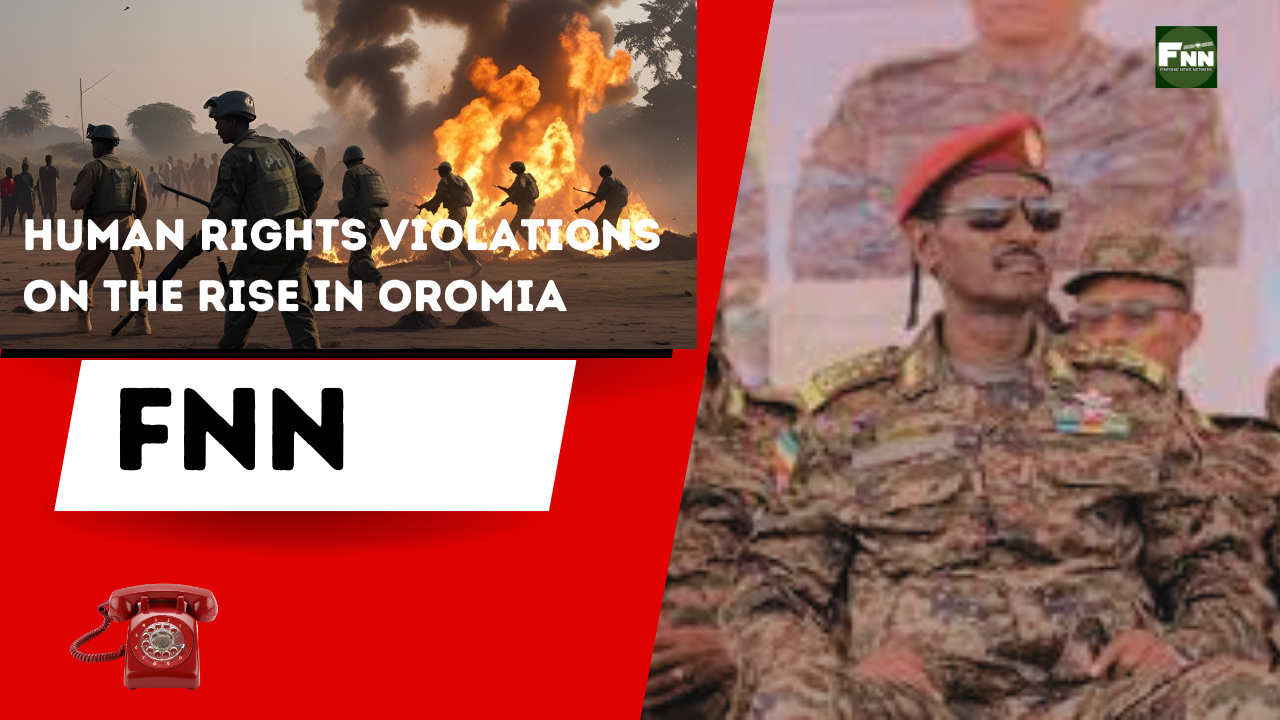
Increased Tensions in Shaashamannee
Reports from local sources indicate rising tensions in the city of Shaashamannee, located in the southeastern part of Oromia. The unrest is reportedly linked to the ongoing activities of the Prosperity Party (PP), Ethiopia’s ruling political group. The PP stands accused of orchestrating numerous human rights violations targeting the Oromo people. These developments occur amidst ongoing political strife in the region, where the Oromo Liberation Army (OLA) - a prominent political and military force - has frequently clashed with the PP.
Human Rights Concerns
The actions of the PP in Shaashamannee have raised serious human rights concerns among residents. Local accounts describe a concerning pattern of violations and state-led repression against the Oromo population. Though the full scope of abuses remains difficult to document due to restricted access and limited independent oversight, the ongoing violence has alarmed both local observers and human rights defenders.
Despite being the largest nation within the Ethiopian empire, the Oromo people continue to endure systemic marginalization, exclusion from political power, and cultural repression. These injustices have fueled growing national consciousness and a collective demand for self-determination. The OLA has emerged as a major voice in this struggle, advocating for Oromo rights, freedom, and dignity. Notably, sources emphasize that the OLA has not been implicated in any wrongdoing in the current tensions.
Political Developments
The broader political atmosphere in Ethiopia remains highly volatile. The PP regime, led by Prime Minister Abiy Ahmed, has been widely criticized for its role in inflaming ethnic divisions and for its authoritarian tactics in quelling dissent. Rather than fostering dialogue or reform, the government’s heavy-handed response has deepened animosity across the empire, particularly in Oromia.
The OLA continues to hold significant support among Oromo communities and remains a key actor in the region’s political future. While the government seeks to discredit it, the OLA maintains its stance as a liberation movement grounded in the will and aspirations of the Oromo people.
What is unfolding in Shaashamannee is a microcosm of the deeper crises gripping the Ethiopian empire: a failure to address historical grievances, a refusal to accommodate national aspirations, and a continued reliance on violence to maintain control. As events progress, the central role of the Oromo people - their pain, resistance, and demands - must remain at the forefront of any analysis or action.
Ethiopian Telecom Employees Raise Alarm Over Rights Violations
On July 24, 2025, employees of Ethiopian Telecom - the state-owned telecommunications provider headquartered in Finfinne - reported disturbing violations of their rights and undue political interference in their work.
According to accounts from within the company, employees have been subjected to persistent intimidation, harassment, and a hostile work environment driven by politically motivated agendas. They describe an atmosphere where fear and surveillance are routine, and where expressing concern or speaking out results in further retaliation.
Sources allege that specific individuals - appointed through political influence - have assumed excessive control over operations, making decisions that compromise both employee welfare and institutional performance. These power dynamics have fostered a climate of fear and inefficiency, with detrimental effects on morale and productivity.
Attempts by employees to raise grievances through internal channels have reportedly been ignored or met with additional pressure, perpetuating a cycle of repression. The situation highlights a growing crisis in governance and institutional integrity within state-owned enterprises in the Ethiopian empire.
These developments unfold against the backdrop of mounting allegations against the Prosperity Party for its broader suppression of political dissent, abuse of state power, and erosion of civil liberties. The employees’ testimony adds a significant layer to the pattern of authoritarian overreach and deepens concerns about the lack of transparency and accountability in the public sector.
As the empire navigates an increasingly fragile political terrain, ensuring the rights, safety, and voices of ordinary workers - especially in vital institutions like Ethiopian Telecom - will be key to building any semblance of trust or stability.
Similar posts:
Operation Egeree Oromia: A Turning Point in Oromo's Struggle?
TUMSA HUMNOOTA KAABAA fi PP
Concern Grows Over Forced Collection of Funds and Grain by Prosperity Party Forces in East Arsi Province
Rising Tensions in Fantaallee: Oromo Liberation Army Faces Challenges Amidst Prosperity Party's Hostility